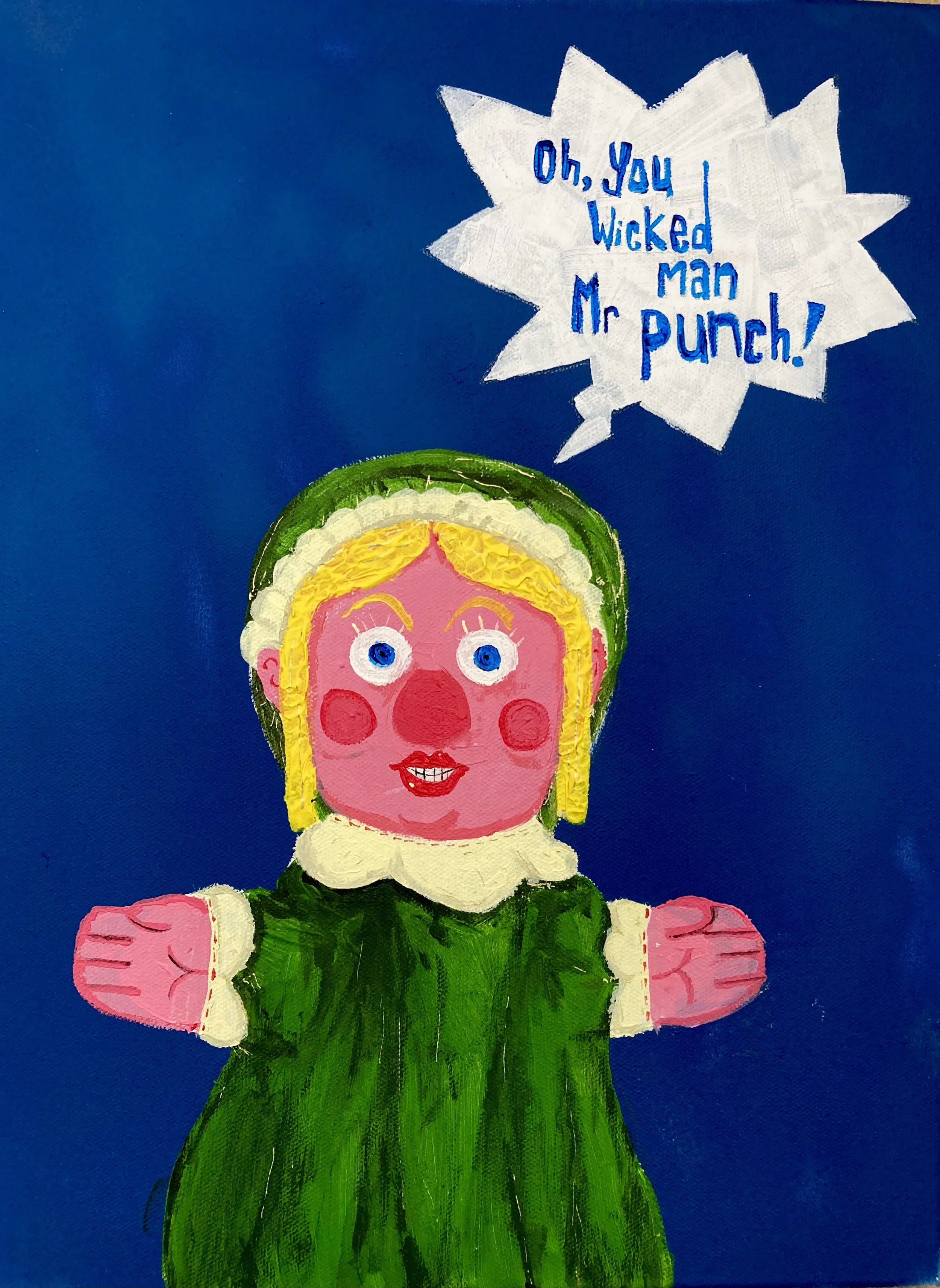
What is Pop-Alchemy? I often hear this question, when pushing my trolly around Fine Fare, a gnarled finger will tap me on the shoulder. “Hey Paul,” a gnarled voice will cry, and I turn to see a be-aproned old maid clutching a packet of Omo to her chest like a mustard plaster, or maybe a old feller bent over his Jaffa Cakes, “what’s this ‘ere Pop-Alchemy what you talk of?” Smiling, I reply “madam – or gentleman depending on the circumstances – if you wish to know what Pop-Alchemy is then I shall explain in slightly over 400 words.” Then leaning myself, gingerly,  into a comfortable position against the pyramidical display of Burtons Puffs I begin to wax lyrically thusly…
All art, to be art, has to be transformative. It has to have an effect of altered consciousness on both the artist and beholder. It is in effect a form of communion, where the artist creates something which is both of and other from them. The beholder of the art then takes this and remoulds it as a gateway into their own subconscious bringing to the fore ideas and imbuing the art before them with new and entirely personal meanings. This true of all successful art, and despite all the multitude of words written about art and its history and the finessing of taste of those who would be artist flaneurs, the only true successful art is that art that does this to you.
However, as in magick, certain procedures, words, movements smell and rituals, can evoke transcendent states in which real change of reality can take place, so does Pop-Alchemy attempt to evoke the same change as a magickal ritual. If you could sum up Pop-Alchemy in any neat aphorism it might be this:
Art which contains the potent magick of popular culture.
It is art that has the practical value of being useful in magicakal ritual, on focused occult ceremonies, but one in which the old gods are replaced by icons of arcane Working Class Culture.
The hidden language of Alchemy lies in its encoding of metaphysical change through metaphor. It uses a reference point which is both understandable to the alchemist but arcane to the lay reader. So Pop-Alchemy uses figures from the past who have been imbued through the public consciousness into icons that can create radical magickal change. These new/old icons stand are the saints of the unmoored future, harbored as they are to ideas inherent in the ancient gods of the past Noddy Holder as Bachus? Barbara Windsor as Aphrodite, Hattie Jaques as Artemis, or maybe new egregores for new ideas and new ages.
The artist chooses these figures for their perceived symbolism, and imbues it with power by placing it in a frame and therefore saying this is an image of power. Why are they figures from working-class culture, well they already hidden (in plain sight), and thus already occult.
However, like Gods they have had to earn their place in the pantheon, already sitting in our subconscious like Mr Punch ready to be called forth to aid us when we need them.
“Oh right,” says the aged old person, “but where does that leave your Psychedelic Psygils?”
Now that, I say  opening a packet of Penguins – that I fully intend to pay for later, is another leaf of the same tree, let me explain…